

Planning your Wedding in Ireland FAQ
Planning a wedding is exciting — but knowing where to start can be difficult.
From choosing your venue and setting a budget to booking suppliers and deciding what you actually need, there are a lot of decisions to make.
We’ve put together some of the most common questions couples ask when planning a wedding in Ireland.
Where should we start when planning a wedding?
Start with three things: your approximate budget, your guest numbers and your preferred date or season.
Your guest numbers will influence your venue options, while your budget will help determine what is realistic for your day.
Once you’ve chosen your venue and date, you can start booking your key suppliers.
What should we book first?
There isn’t one set order, but your venue is usually the best place to start.
After that, consider booking suppliers who can only take one wedding per day or have limited availability, such as:
Wedding planner or coordinator
Photographer and videographer
Florist
Band or entertainment
Hair and makeup
Popular suppliers can book well in advance, particularly for summer Saturdays.
How far in advance should we book our wedding?
For a popular Saturday wedding in Ireland, 12–18 months ahead is a sensible starting point.
Some suppliers and venues book much further ahead, while weekday, winter and shorter-lead-time weddings can offer more flexibility.
If you already have your date and venue, it’s worth contacting your preferred suppliers rather than waiting until you have every detail decided.
How much does an Irish wedding cost?
There is no single average price that will apply to every couple.
Your costs will depend on your guest numbers, venue, food and drink, entertainment, photography, flowers, clothing, transport and how much of the day you want professionally provided.
The most useful approach is to decide what matters most to you and allocate your budget accordingly.
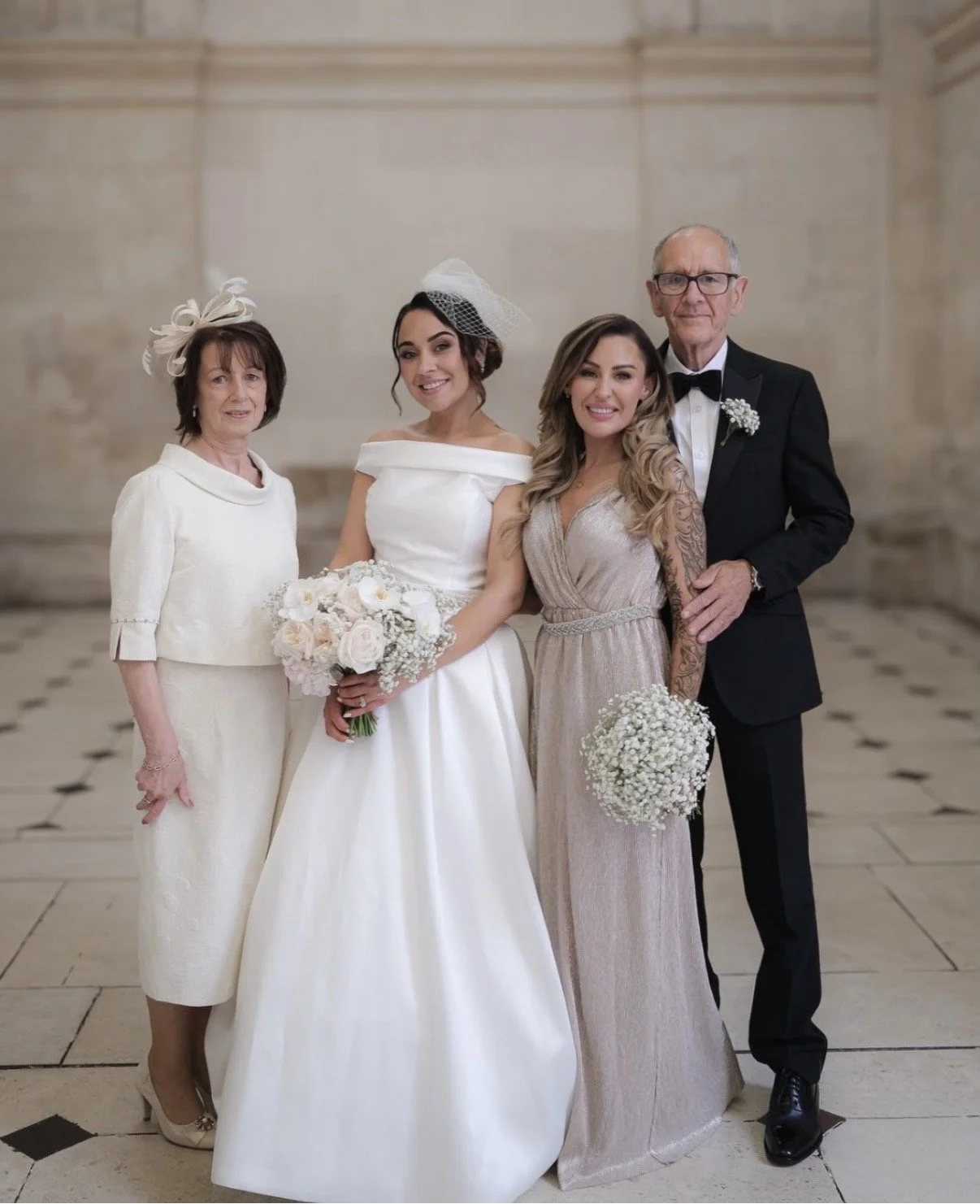
Timeless classic Dublin City Hall Wedding
How do we create a wedding budget?
Start with your total available budget and divide it between your main categories.
Don’t forget costs that are easy to overlook, including:
Wedding rings
Alterations
Hair and makeup trials
Transport
Accommodation
Ceremony fees
Décor and flowers
Stationery
Wedding cake
Supplier travel costs
Tips or additional charges
Post-wedding cleaning or collection fees
Keep a small contingency fund for unexpected costs.
When should we send our wedding invitations?
Traditionally, wedding invitations are sent around 3–6 months before the wedding, although destination weddings and weddings with lots of travelling guests may need more notice.
A save-the-date can be useful if your guests need to arrange flights, accommodation or time off work.
Do we need a wedding planner?
Not necessarily.
Many couples plan their own wedding successfully.
A planner can be particularly useful if you’re having a large or complicated wedding, getting married in multiple locations, planning a destination wedding or simply don’t want to manage all the logistics yourself.
How many wedding suppliers do we actually need?
That depends entirely on your wedding.
At a minimum, you’ll usually need your venue and catering, photography, entertainment and clothing.
Other suppliers might include:
Florist / Décor or styling
Wedding planner
Videographer
Hair and makeup
Cake designer
Stationery
Transport
Celebrant
Photo booth
Content creator
You don’t have to book everything you see on Instagram.
Choose the suppliers that will genuinely add value to your wedding.
When should we book a wedding florist?
It’s worth contacting your florist once you know your date and venue, particularly if you have a specific florist in mind.
You don’t need to know exactly what flowers you want.
A good florist can help you work out what will suit your venue, season, style and budget.
Do wedding flowers have to be expensive?
No — but the amount you spend will affect the scale and quantity of your flowers.
Rather than trying to put flowers everywhere, consider where they will have the greatest impact.
A few well-designed statement areas can sometimes create more impact than lots of small arrangements.
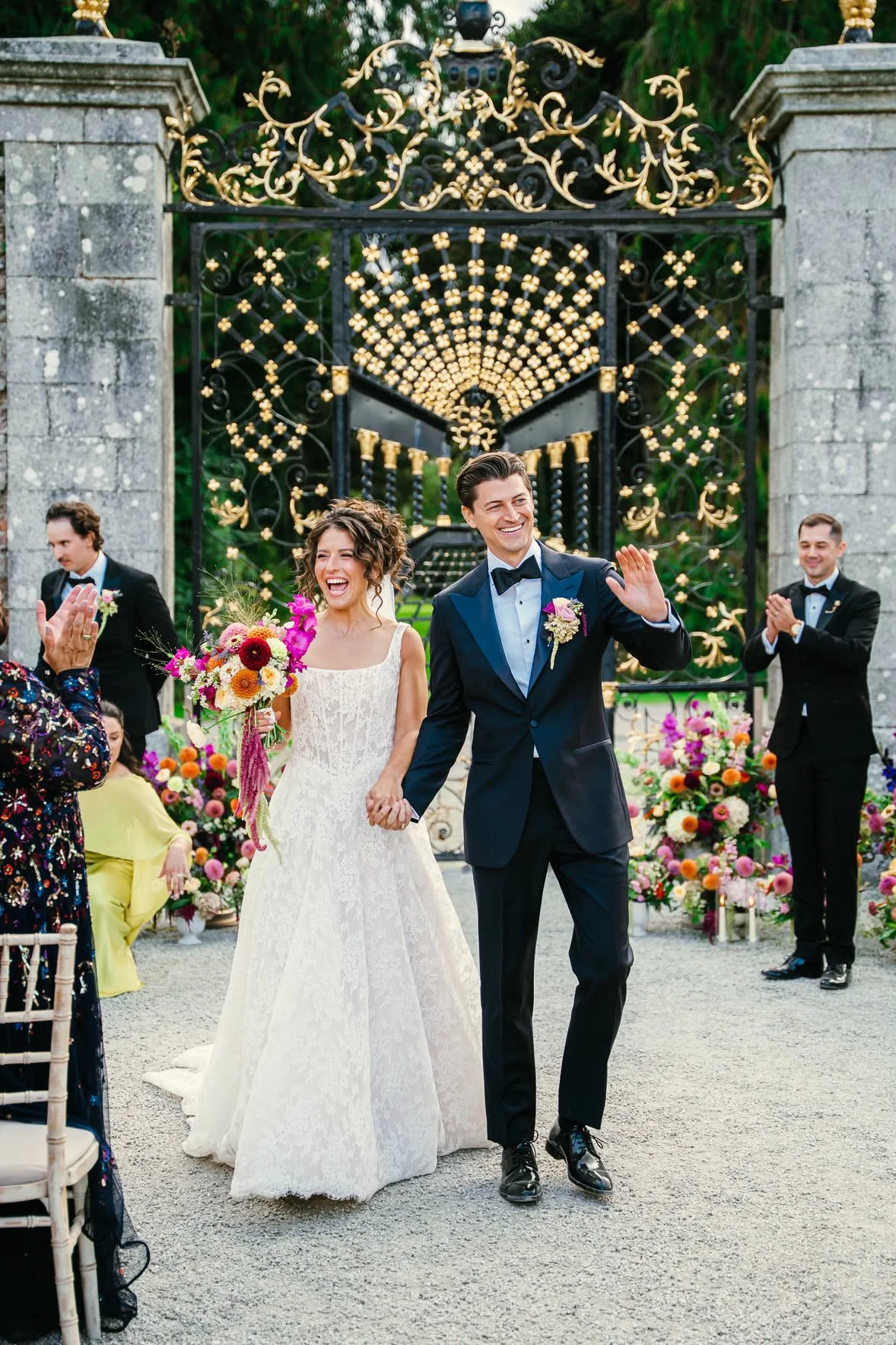
Bold coloured wedding flowers in Powerscourt Estate.
Should our wedding match our venue?
Not necessarily.
Your flowers, colours and décor can complement your venue, contrast with it or completely transform the atmosphere.
Think about the feeling you want rather than trying to match every colour already in the room.
What happens if it rains?
Plan for it.
Irish weather is famously unpredictable, so having a realistic wet-weather plan is important — particularly if any part of your wedding is outdoors.
Ask your venue what happens if the ceremony has to move inside and make sure your suppliers know the backup plan.
What should we consider when choosing a wedding venue?
Look beyond how beautiful it looks in photographs.
Consider:
Capacity
Location
Accommodation
Catering
Ceremony options
Outdoor spaces
Wet-weather options
Supplier restrictions
Setup and access times
Music and entertainment restrictions
Parking and transport
What is included in the price
A venue that looks perfect online isn’t necessarily the right venue for your wedding.
Can we use our ceremony flowers at the reception?
Often, yes.
Some floral arrangements and décor can be moved from the ceremony to the reception, helping you get more value from your wedding budget.
Ask your florist or stylist about this when planning your design so that the move can be built into the day’s logistics.
How do we choose our wedding suppliers?
Look beyond Instagram.
Check their reviews, previous work, experience, communication and exactly what is included in their pricing.
Most importantly, choose suppliers you trust and feel comfortable communicating with.
You’ll be working closely with many of them, sometimes for more than a year.
What should we ask a wedding supplier before booking?
Ask:
Are you available on our date?
What exactly is included?
What are your payment terms?
Do you have insurance?
Are there additional travel or setup costs?
What happens if something changes?
When do we need to finalise the details?
Do you have a contract?
What happens if you become unavailable?
Don’t be afraid to ask questions. A professional supplier should be happy to explain their process.
What if we live outside Ireland but want to get married here?
Start by choosing your location and venue, then build your supplier team.
Many Irish wedding suppliers regularly work with couples living abroad, so don’t assume you need to be in Ireland for every stage of planning.
Video consultations, email and shared inspiration boards can make the process much easier.
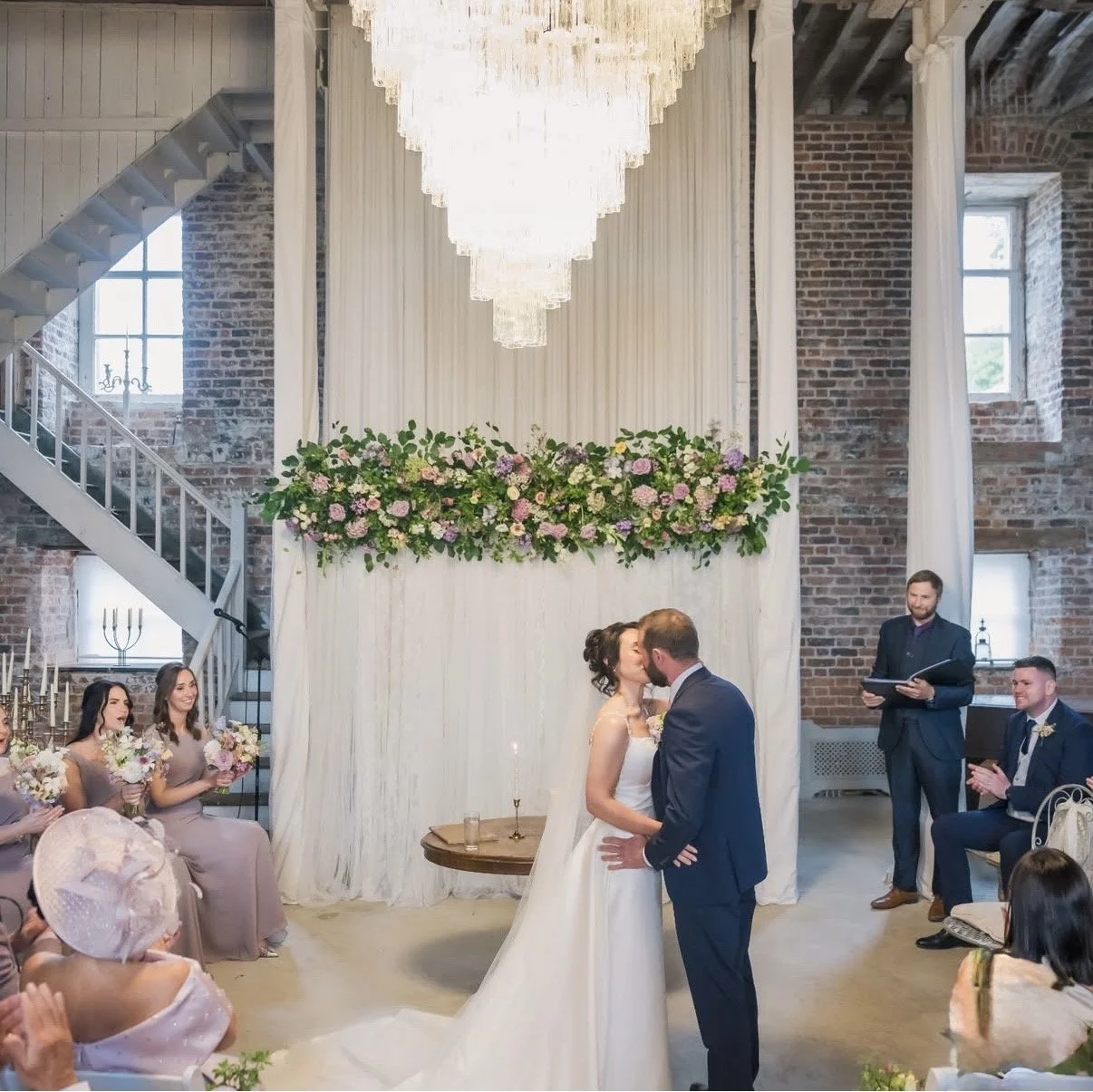
Flower installation in The Millhouse Slane
What is the biggest wedding planning mistake?
Trying to do everything at once.
You don’t need to choose your flowers, stationery, cake, favours and napkins on the same weekend you book your venue.
Work through your planning in stages, keep a clear budget and prioritise the things that matter most to you.
And remember: your wedding doesn’t have to look like anyone else’s.
Do we need to follow wedding trends?
No.
Trends can be useful for inspiration, but your wedding should ultimately reflect you as a couple.
Choose colours, flowers, music, food and décor because you love them — not simply because they’re currently popular.
What should we do once our venue is booked?
This is a great time to:
1. Set your realistic budget.
2. Confirm your guest numbers.
3. Book your key suppliers.
4. Start collecting inspiration.
5. Think about the overall atmosphere you want.
You don’t need to have every detail decided.
The early planning stage is about creating the foundations for your wedding, not finishing it.
Planning your wedding in Ireland?
If you’re still at the early stages, don’t worry about having everything figured out.
The best weddings aren’t necessarily the ones with the most details — they’re the ones where the details work together to create a day that feels personal.
And when you’re ready to start thinking about your wedding flowers, Boutique Blooms is here to help couples create beautiful, considered wedding flowers throughout Dublin, Leinster and across Ireland.