

Planning a Wedding in Ireland: Your Bestie‑Approved Quick‑Glance Guide + Q&A
Alright bestie, let’s get real — planning a wedding in Ireland isn’t just about choosing a pretty castle and hoping the weather behaves (spoiler: she won’t, but she’ll still look stunning). It’s about understanding the real Ireland. The Ireland that’s steeped in thousands of years of history, where you can literally get married in a castle older than most countries.
This is the land of the Ancient East, where myths and legends cling to the hills. The Royal County of Meath, where ancient kings once ruled. The wild west coast, where cliffs, ruins, and sea spray make your photos look like a cinematic masterpiece.
It’s a place where you can say your vows in a medieval castle, a Georgian manor, a glasshouse overlooking rolling countryside, or even on one of Ireland’s world‑class golf courses (yes, people do that — and yes, it’s breath-taking).
People come to Ireland to get married because it feels like magic. Because the landscapes look unreal. Because the locals treat your wedding like theircelebration. Because the music, the humour, the warmth, the history — it all wraps around you and makes your day feel like something out of a storybook.
But here’s the part no one tells you: Ireland also has rules, quirks, cultural surprises, and logistical hoops that you need to know about. Not the Pinterest‑pretty stuff — the real stuff. The “I wish someone told me this sooner” stuff.
So here it is. Your bestie‑approved, quick‑glance guide to planning a wedding in Ireland from anywhere in the world.
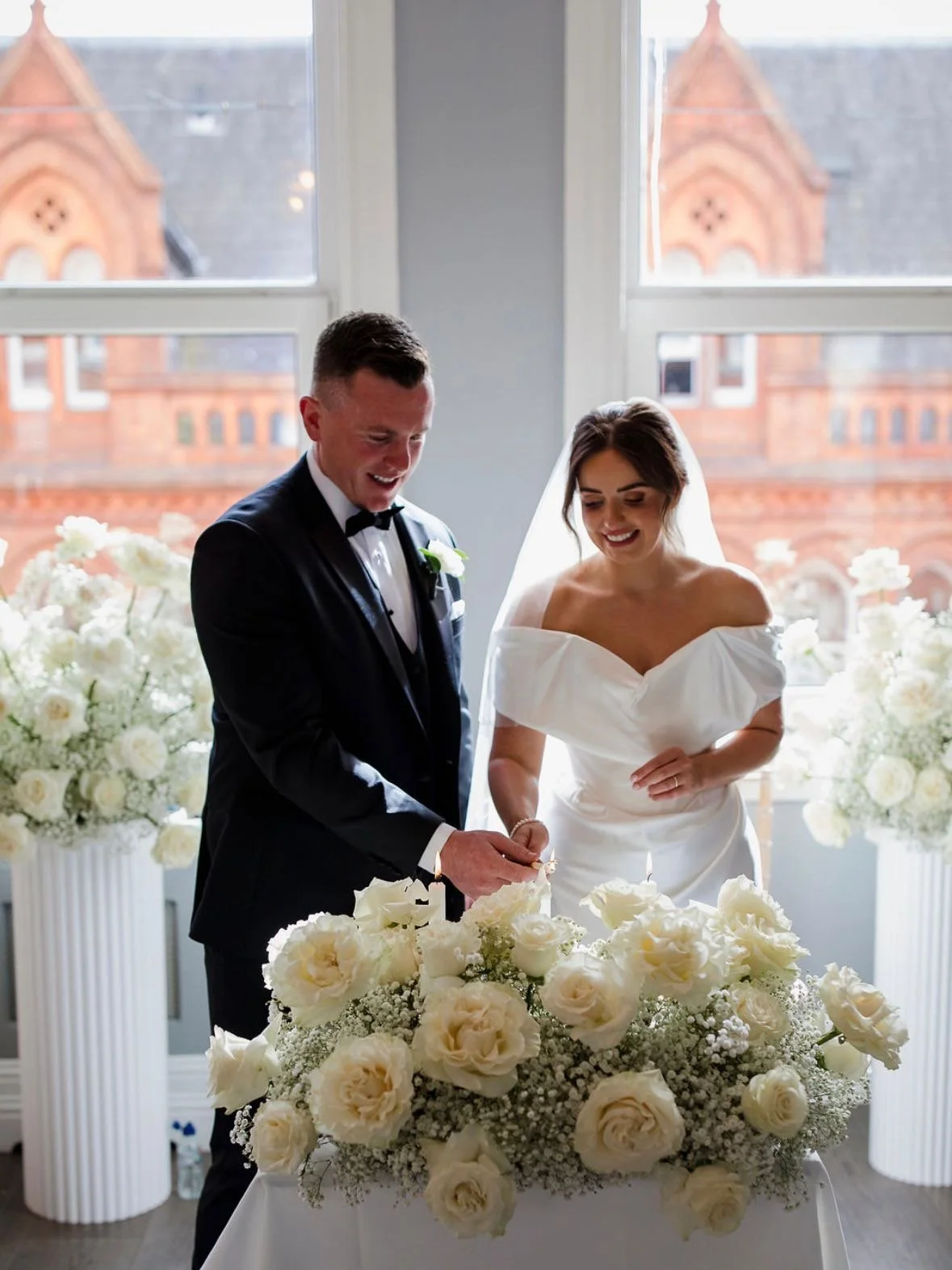
Legal & Planning Tips
You must give at least 3 months’ notice to the Irish government before legally marrying in Ireland.
Your officiant must be registered with the HSE— not all celebrants can legally marry you.
Ireland does not recognise online‑ordained ministers.
Expect an in‑person appointment in Ireland shortly before your wedding to finalise paperwork.
Marriage licences come from the Health Service Executive (HSE), not a courthouse.
Many couples do the legal ceremony at home and have a symbolic ceremony in Ireland to avoid paperwork stress.
Travel & Arrival Tips
North Americans, Australians, and New Zealanders don’t need a visa for short stays.
Travellers from India, UAE, and many other countries do need a visa — check early.
Main airports:
Dublin (DUB) – East coast
Shannon (SNN) – West
Cork (ORK) – South
Knock / Ireland West (NOC) – Northwest
Belfast (BFS/BHD) – Northern Ireland (UK rules apply)
Customs may ask why you’re visiting — keep your invite or venue details handy.
Shipping wedding items from outside the EU may incur customs charges (yes, even dresses).
Ireland drives on the left; rental cars are mostly manual unless requested.
U.S. licences are accepted; rural roads are narrow — plan extra travel time.
Transport options: transportforireland.ie, Uber, Bolt, Lyft.
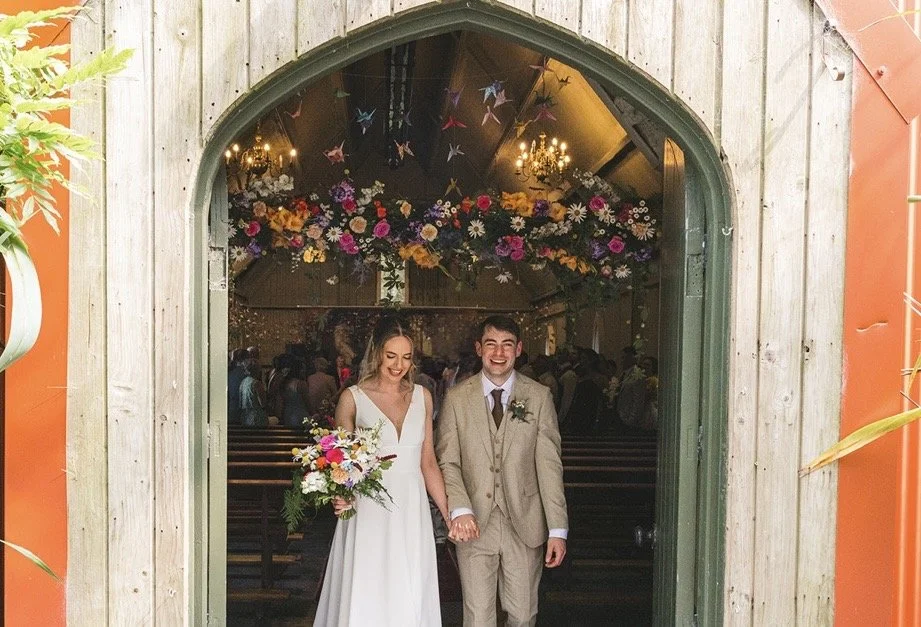
Wedding Day Culture & Etiquette
Irish weddings are long celebrations, often starting early afternoon and ending late at night.
Dinner is usually 5pm–6:30pm, followed by dancing and an evening snack.
Speeches often happen before dinner, though this is flexible.
Guests often stay on‑site, turning the wedding into a two‑day celebration.
Food, Drink & Social Customs
The first meal after the ceremony is called the wedding breakfast (even though it’s dinner).
Bars often stay open much later than in the U.S.
The next morning’s Irish breakfast is legendary.
Buying rounds of drinks is common, but you can opt out.
Irish weddings rarely have an open bar — arrange this with your venue if you want one.
Most venues provide food, drink, staff, and furnishings all in one package.
Photography, Timing & Expectations
Summer golden hour can last until 10pm.
Rain is considered good luck on your wedding day.
Clothing, Weather & Packing Tips
Ireland can give you four seasons in one day — even in summer.
Pack a light rain jacket; umbrellas are less useful in wind.
Heels + cobblestones = heartbreak. Choose block heels or flats.
“Casual elegance” still means dressing up nicely, especially for church weddings.
Black tie = tuxedos for men, formal dresses for women (length is your choice).
Money & Practicalities
Ireland uses Euro (€); Northern Ireland uses GBP (£).
MasterCard & Visa are widely accepted; AmEx is not.
Tipping in Ireland is based on service, not obligation. It’s appreciated, but not expected at U.S. levels.
Common tips: bar staff, salon staff, porters, tour guides.
It’s perfectly acceptable to tip your wedding vendors or give them tokens of appreciation — handwritten notes, small gifts, or gratuities for exceptional service.
Electrical outlets are Type G (3‑pin) — bring an adapter.
Cultural Nuances Americans Often Miss
Irish people value warmth and humility — overly rigid schedules can feel out of place.
A bit of self‑deprecating humour goes a long way.
Locals love when visitors try simple Irish phrases:
Thank you → go raibh maith agat (guh rev mah‑a‑gut)
Irish weddings are about community, not just the couple.
Q&A: Your Irish Wedding Questions Answered
Q: Can I legally marry in Ireland if I’m not Irish?
Absolutely — Ireland welcomes international couples. Just follow the 3‑month notice rule and book your HSE appointment.
Q: Do I need to be in Ireland for the legal appointment?
Yes. Most couples must attend an in‑person meeting shortly before the wedding.
Q: Can my friend officiate if they get ordained online?
No. Ireland does not recognise online ordinations. Your officiant must be HSE‑registered.
Q: Should I do the legal ceremony at home instead?
Many couples do! It removes paperwork stress and lets you enjoy a symbolic ceremony in Ireland.
Q: What’s the best airport to fly into?
Dublin (DUB) for most weddings, Shannon (SNN) for west‑coast venues, Cork (ORK) for southern celebrations.
Q: Will my wedding items get stuck in customs?
If they’re shipped from outside the EU, they may incur customs charges — even dresses.
Q: Is Ireland’s weather really that unpredictable?
Yes bestie, she’s chaotic. Pack layers and embrace the magic.
Q: Do Irish weddings have open bars?
Not usually. If you want one, arrange it with your venue.
Q: How formal are Irish weddings?
Think “casual elegance.” People dress nicely, but it’s not stiff or overly formal.
Q: Is rain really good luck?
Yes — and it makes for gorgeous photos.
Q: Will people judge me if I don’t buy rounds of drinks?
Nope. It’s a custom, not a requirement.
Q: How late does the party go?
Late. Very late. Sometimes all night for on‑site guests.
Q: What’s one cultural tip Americans often miss?
Irish weddings are about community — the joy is shared, not just centred on the couple.